

Winter driving is demanding on vehicles. Cold starts, potholes, road salt, moisture, changing temperatures, and long stretches of stop-and-go driving all add up. By the time...

Running a modern repair shop is a partnership between the client and the team that services their vehicle. At Downtown Automotive, we’ve built our business around transparency...

High BC fuel prices hit most of our budgets here. If increased fuel costs are consuming a bigger portion of your budget, you may be tempted to skimp in some other areas – like...
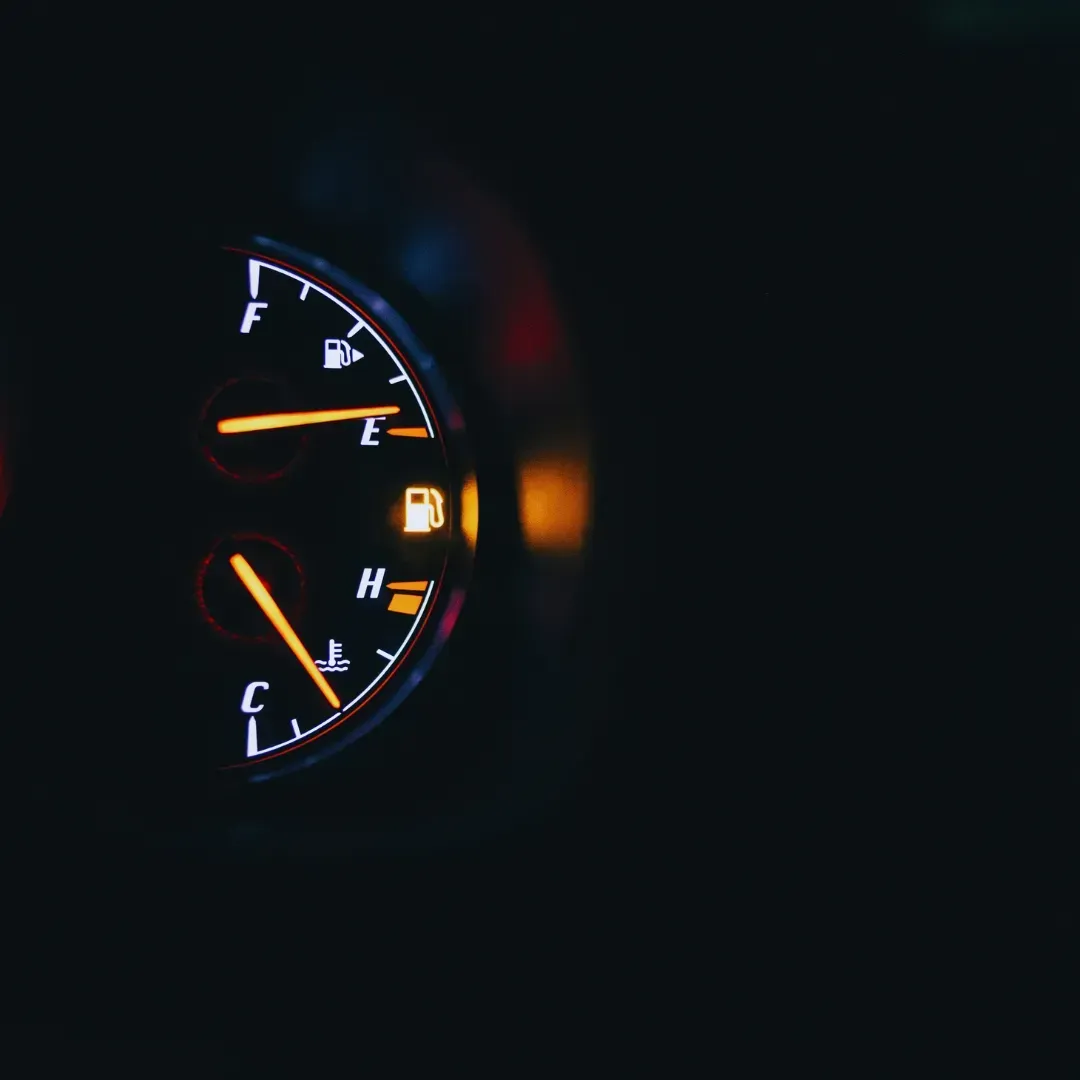
Here’s a quick overview of the fuel system: It starts with the fuel pump. The fuel pump is located inside the tank and pumps fuel out to the engine. Somewhere along the way is a...
A lot of fuel is wasted by drivers from driving with dirty fuel systems. Let’s start at the tank. The fuel tank gathers lots of dirt, rust and sediment over the years of driving...

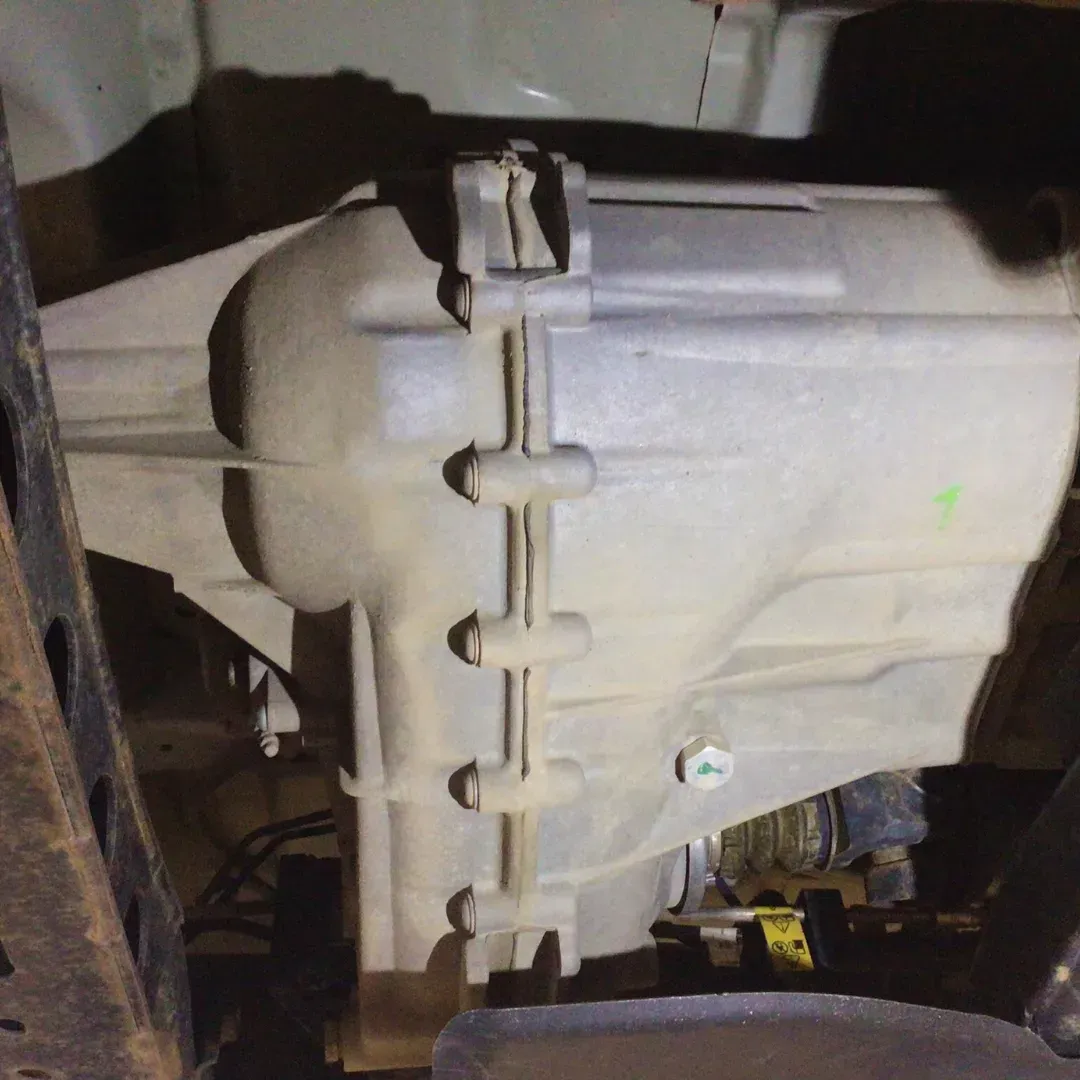
What is a Transfer Case? A Transfer Case appears on 4-wheel drive vehicles and it makes sure you have power available for both the front and rear axles. For example, if you have a...

We've all heard a car or truck in our neighborhood that needs a new muffler. But there's more to the exhaust system than just the muffler. The exhaust system has three main...


When you get in your vehicle, how does it smell? If it’s not so nice, it may be time to have your cabin air filter changed. This is not the same as the engine air filter. The...